
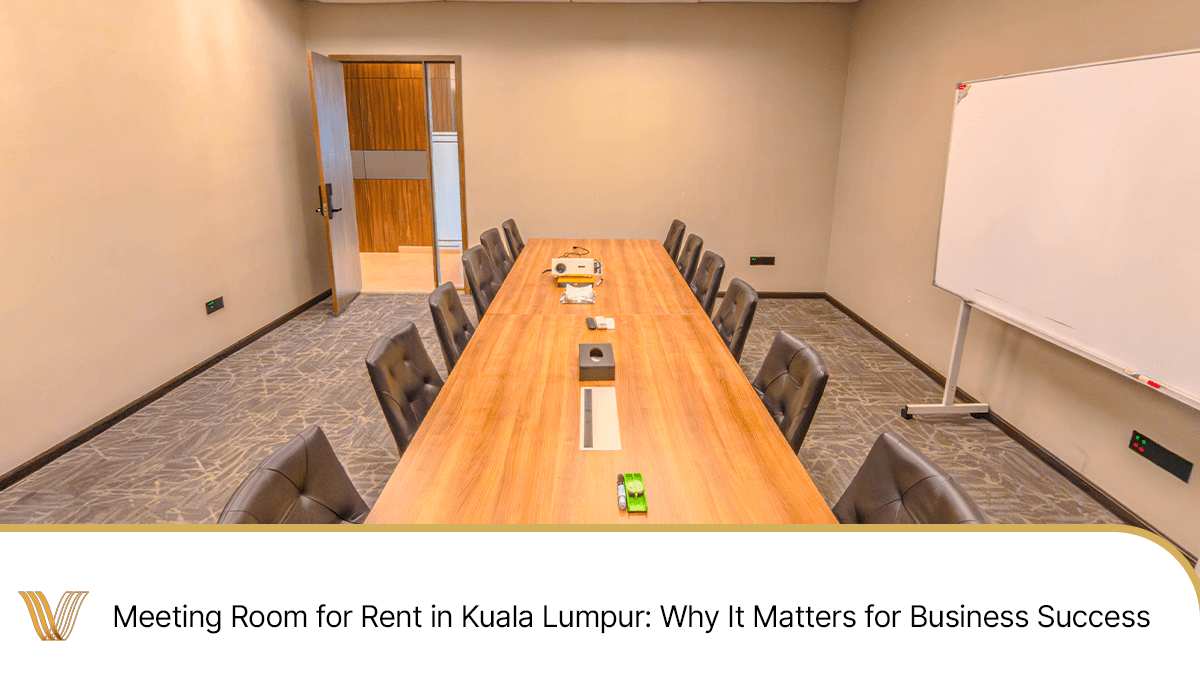
Serviced Office vs Virtual Office: Choosing the Right Workspace Solution in 2025
As businesses adapt to flexible work models and cost-conscious operations, choosing the right office setup has become a strategic decision rather than a logistical one. One of the most common questions entrepreneurs and companies face today is serviced office vs virtual office — which is right for my business?
Both options offer modern alternatives to traditional office leasing, yet they serve very different operational needs. From startups and SMEs to international companies entering Malaysia, understanding these differences can directly impact productivity, credibility, and long-term growth.
In this guide, we’ll break down what serviced and virtual offices are, compare their key differences, and help you determine which solution aligns best with your business goals in 2025.
What Is a Serviced Office?
A serviced office is a fully furnished, ready-to-use physical office space that businesses can occupy immediately. Unlike conventional office leases, serviced offices are managed by professional providers and come with flexible terms and all-inclusive services.
What Does a Serviced Office Include?
A typical serviced office in Kuala Lumpur offers:
Private, lockable office space
Fully furnished workstations
High-speed internet and utilities
Reception and front-desk services
Meeting rooms and breakout areas
Cleaning, maintenance, and security
Optional administrative and IT support
Serviced offices are designed for businesses that require a physical presence and want a professional, corporate-grade environment without the complexity of managing an office themselves.
What Is a Virtual Office?
A virtual office provides businesses with a professional business address and administrative services without requiring physical office occupancy.
It is ideal for companies that operate remotely or do not need daily access to a physical workspace.
Core Functions of a Virtual Office
Most virtual offices offer:
Registered business address for SSM and official use
Mail handling and forwarding
Call answering or virtual receptionist services
Optional access to meeting rooms on demand
Unlike serviced offices, virtual offices do not provide dedicated working space. Instead, they focus on credibility, compliance, and flexibility.
Many businesses choose this option primarily for its virtual office benefits, including cost savings and operational freedom.
Key Differences Between Serviced and Virtual Offices
When comparing serviced office vs virtual office, the differences become clear once you evaluate them across core business needs.
Cost Structure
Serviced offices come at a higher monthly cost due to physical space, facilities, and staffing. However, the pricing is usually all-inclusive.
Virtual offices are significantly more affordable, making them one of the most cost-effective flexible office solutions in Malaysia.
Physical Presence
Serviced Office: Full-time physical workspace suitable for teams
Virtual Office: No daily physical workspace, only address and services
If your business requires staff to work from a central location, a serviced office is the practical choice.
Team Size & Operations
Serviced offices work best for:
Small to mid-sized teams
Client-facing businesses
Companies needing private meeting spaces
Virtual offices are better suited for:
Freelancers and solopreneurs
Remote teams
International companies without local staff
Use Cases & Business Stage
Serviced offices are often used by businesses that have moved beyond the early startup phase and need a professional environment for growth.
Virtual offices are ideal for early-stage companies, lean operations, and market-entry strategies where minimizing risk and overhead is critical.
Which Office Solution Fits Your Business Needs?
Choosing between a serviced office and a virtual office depends on three main factors: how you work, how big your team is, and how much flexibility you need.
Choose a Serviced Office If:
Your team works on-site regularly
You meet clients frequently
You need privacy and dedicated workspace
You want a professional office without long-term leases
A serviced office offers stability, structure, and a strong physical presence in key locations like Kuala Lumpur’s business districts.
Choose a Virtual Office If:
Your team operates remotely or hybrid
You want a prestigious address without high costs
You’re testing or entering the Malaysian market
You want maximum flexibility and minimal commitment
Virtual offices provide credibility and compliance while keeping operations lean — a major advantage in fast-changing markets.
Can You Use Both?
Yes. Many modern businesses combine both solutions.
For example:
A virtual office for registration and branding
Serviced office access when meeting clients or expanding teams
This hybrid approach allows businesses to stay agile while maintaining professionalism.
Conclusion: Making the Right Office Choice
The decision between a serviced office vs virtual office is not about which is better — it’s about which is better for your business right now.
Serviced offices deliver physical space, structure, and in-person collaboration. Virtual offices offer affordability, flexibility, and professional presence without overhead. Both play an important role in today’s business ecosystem.
By aligning your office choice with your operational needs, budget, and growth plans, you can build a workspace strategy that supports long-term success.
Need Expert Guidance?
Not sure which option suits your business? Speak to Novux for expert advice.

Leave A Comment